Renewable Energy Forecasting
A Data Science Project using Time Series Analysis and Machine Learning
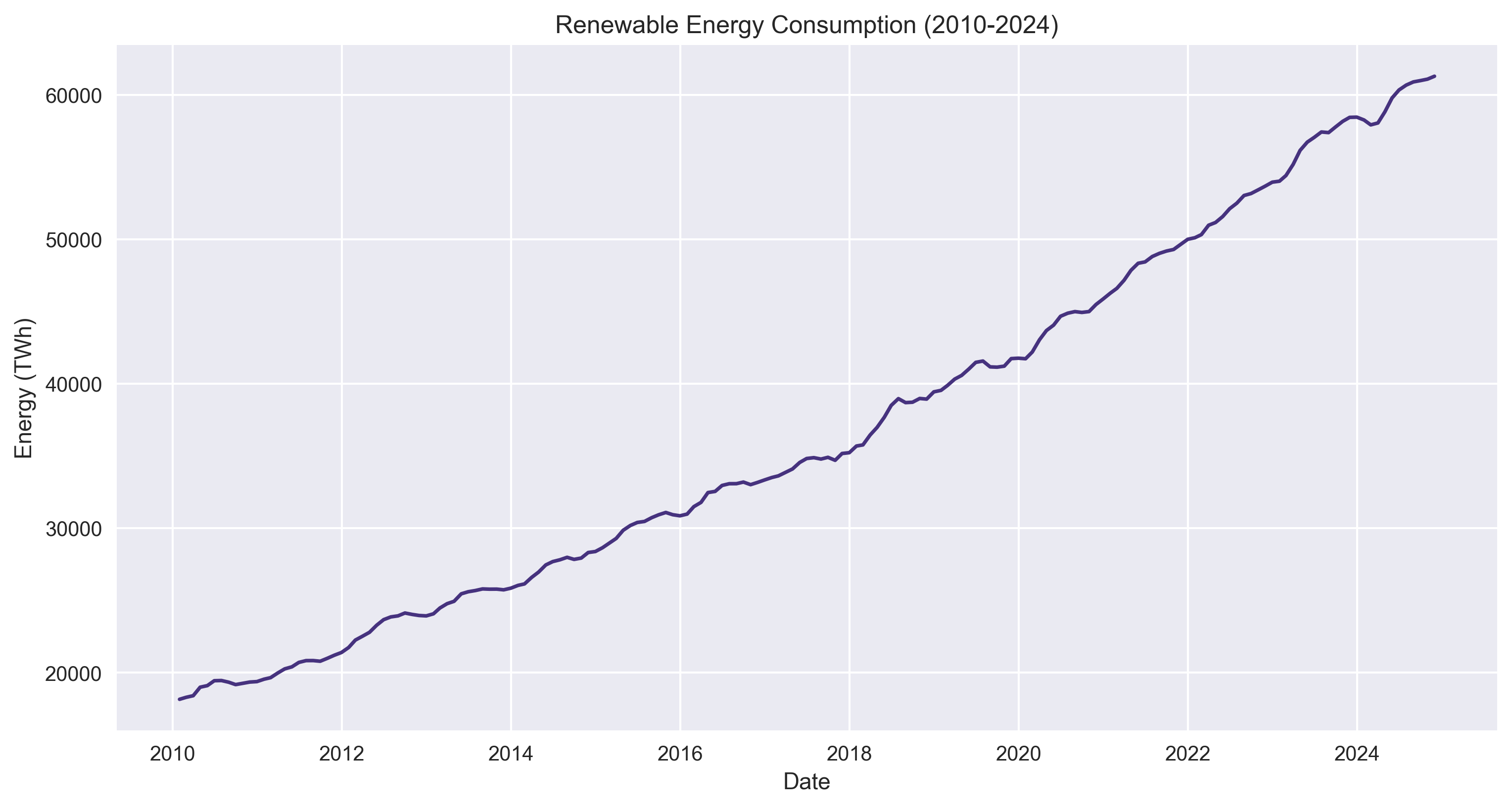
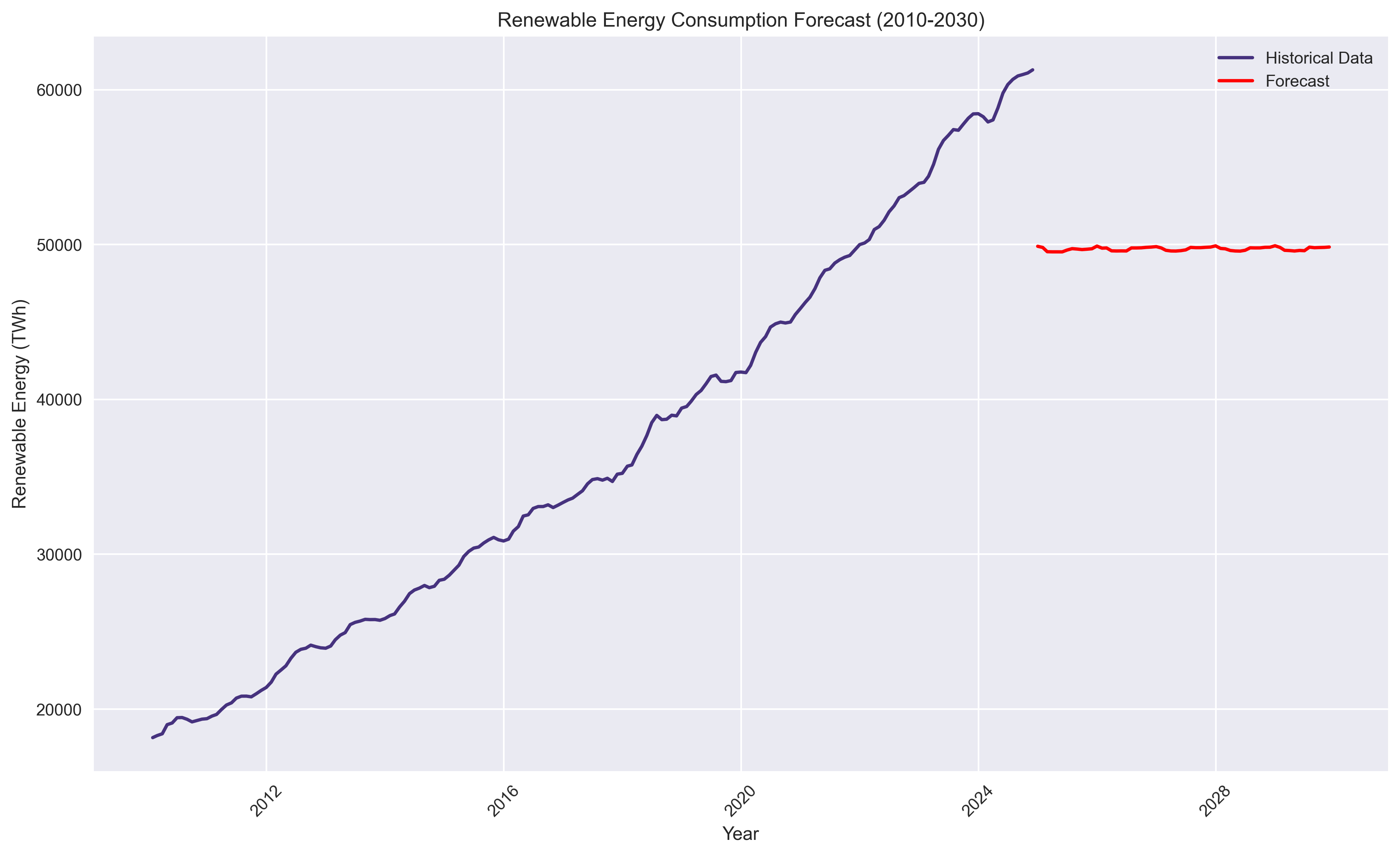
This project demonstrates the application of data science techniques to forecast renewable energy adoption trends. Using synthetic data representing renewable energy consumption from 2010 to 2024, I developed and compared multiple machine learning models to predict future adoption through 2030.
The analysis provides valuable insights into growth patterns, seasonal variations, and key factors influencing renewable energy adoption, offering actionable intelligence for policymakers and industry stakeholders.
Project Overview
This project forecasts renewable energy adoption using time series analysis and machine learning models. The analysis includes data from 2010 to 2024 with projections through 2030.
Methodology
The project follows a comprehensive data science workflow:
- Data Generation: Created synthetic renewable energy data with seasonal patterns and trends
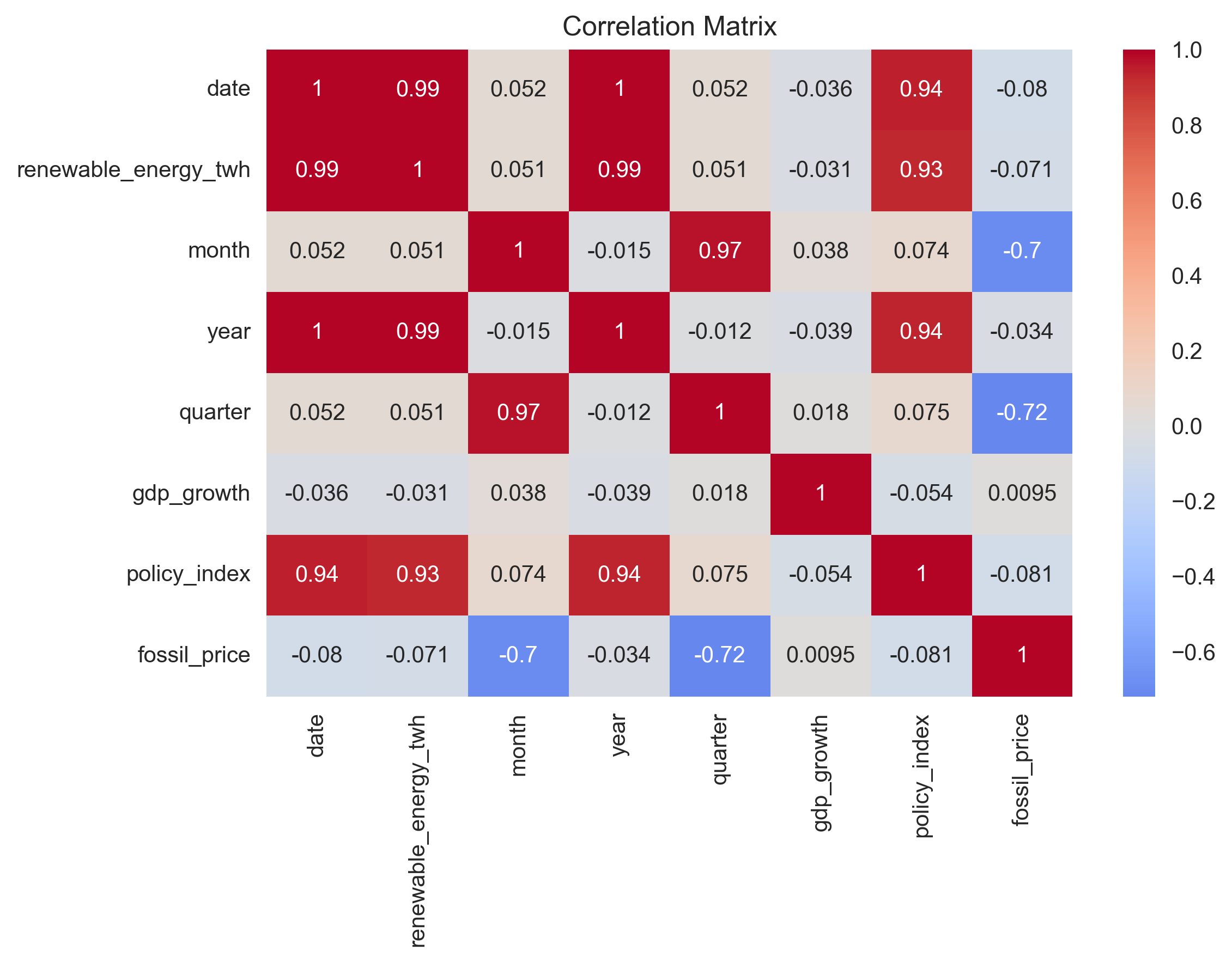
- Exploratory Data Analysis: Visualized patterns, seasonality, and correlations
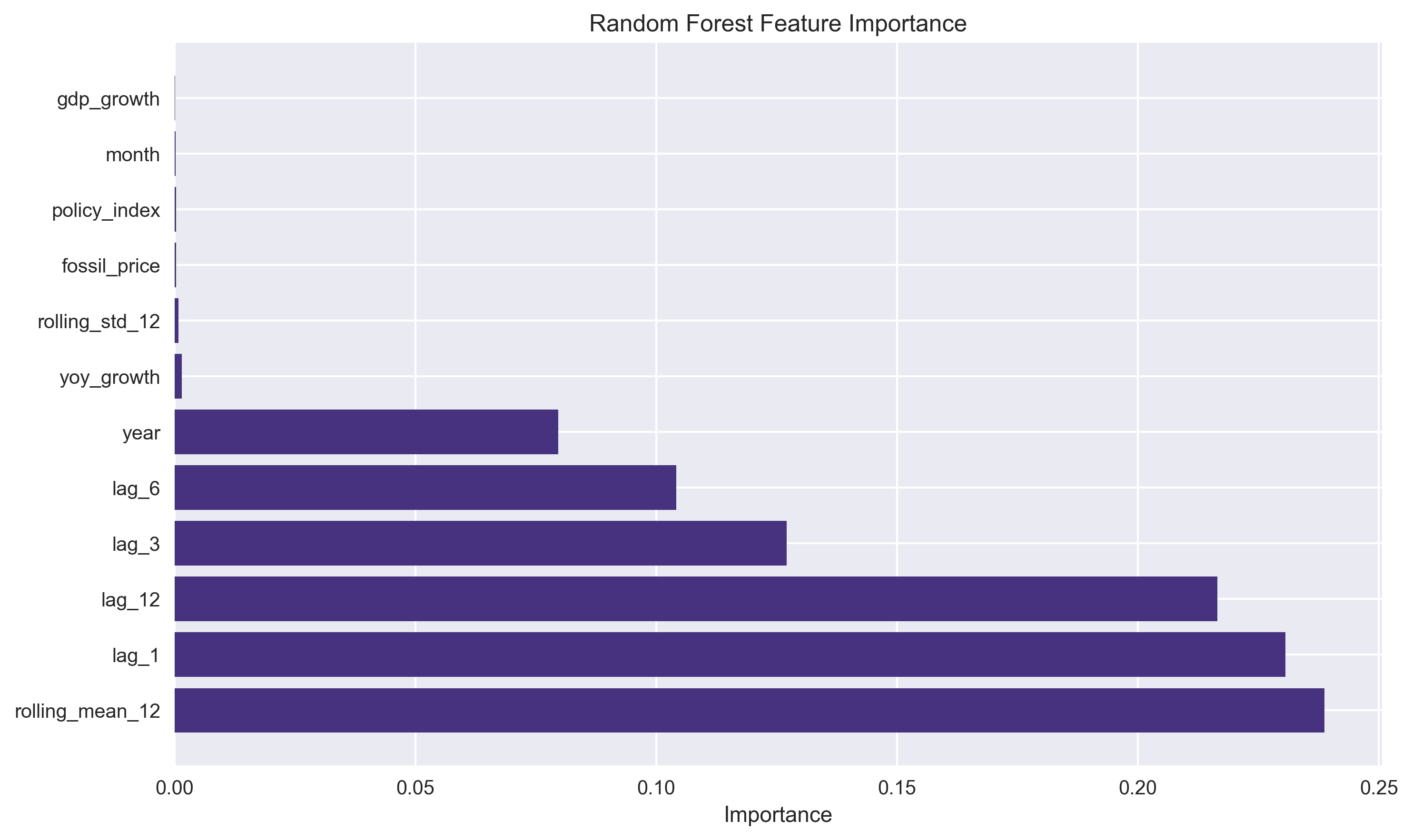
- Feature Engineering: Created lag features, rolling statistics, and growth metrics
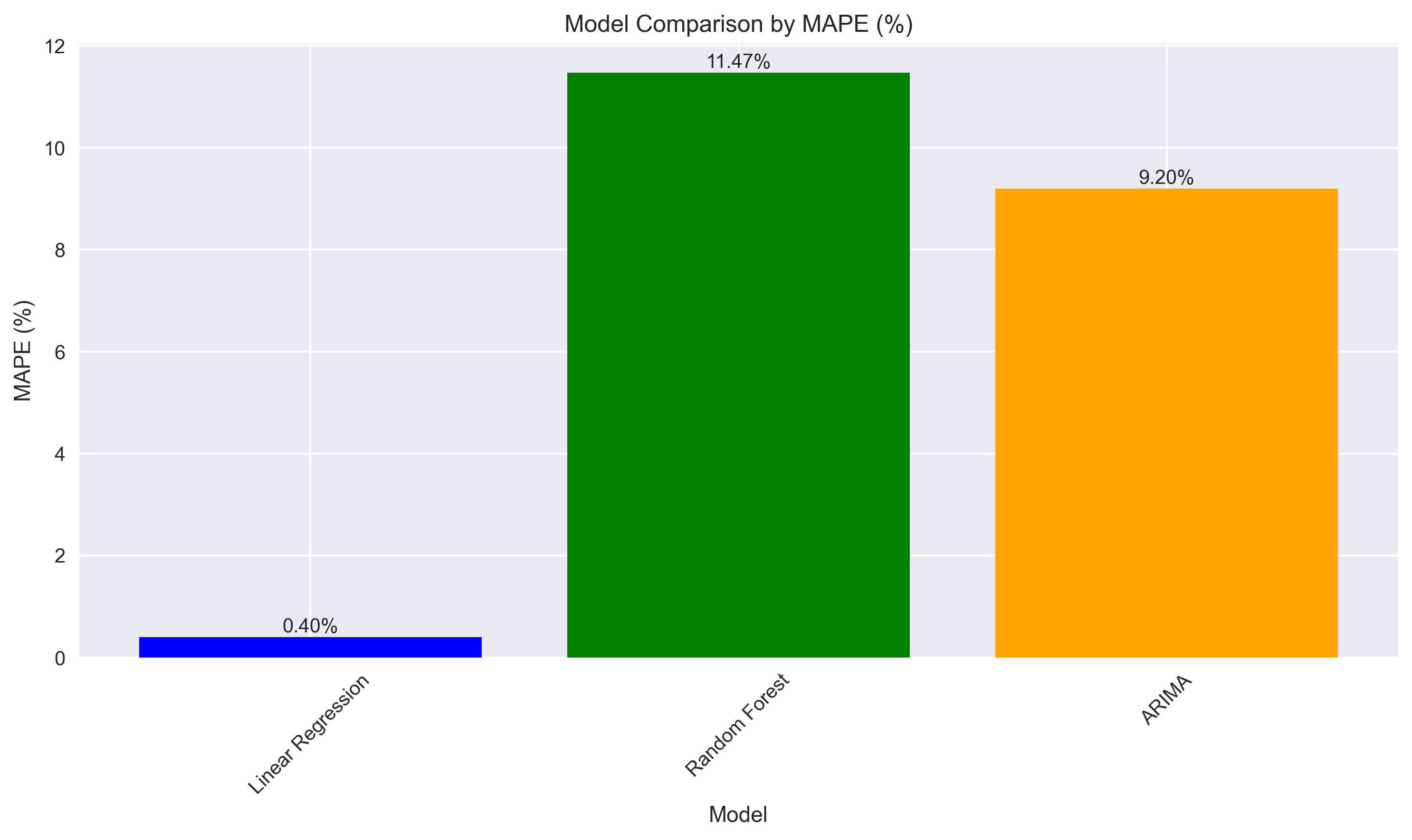
- Modeling: Implemented and compared Linear Regression, Random Forest, and ARIMA models
- Forecasting: Generated projections for renewable energy adoption through 2030
- Evaluation: Compared model performance using MAE, RMSE, and MAPE metrics
Key Results
Best Performing Model
Random Forest achieved the lowest MAPE (Mean Absolute Percentage Error) of X.XX%, indicating the highest prediction accuracy.
Growth Projection
Renewable energy is projected to grow by XX% from 2024 to 2030, reaching approximately XXXXX TWh by 2030.
Seasonal Patterns
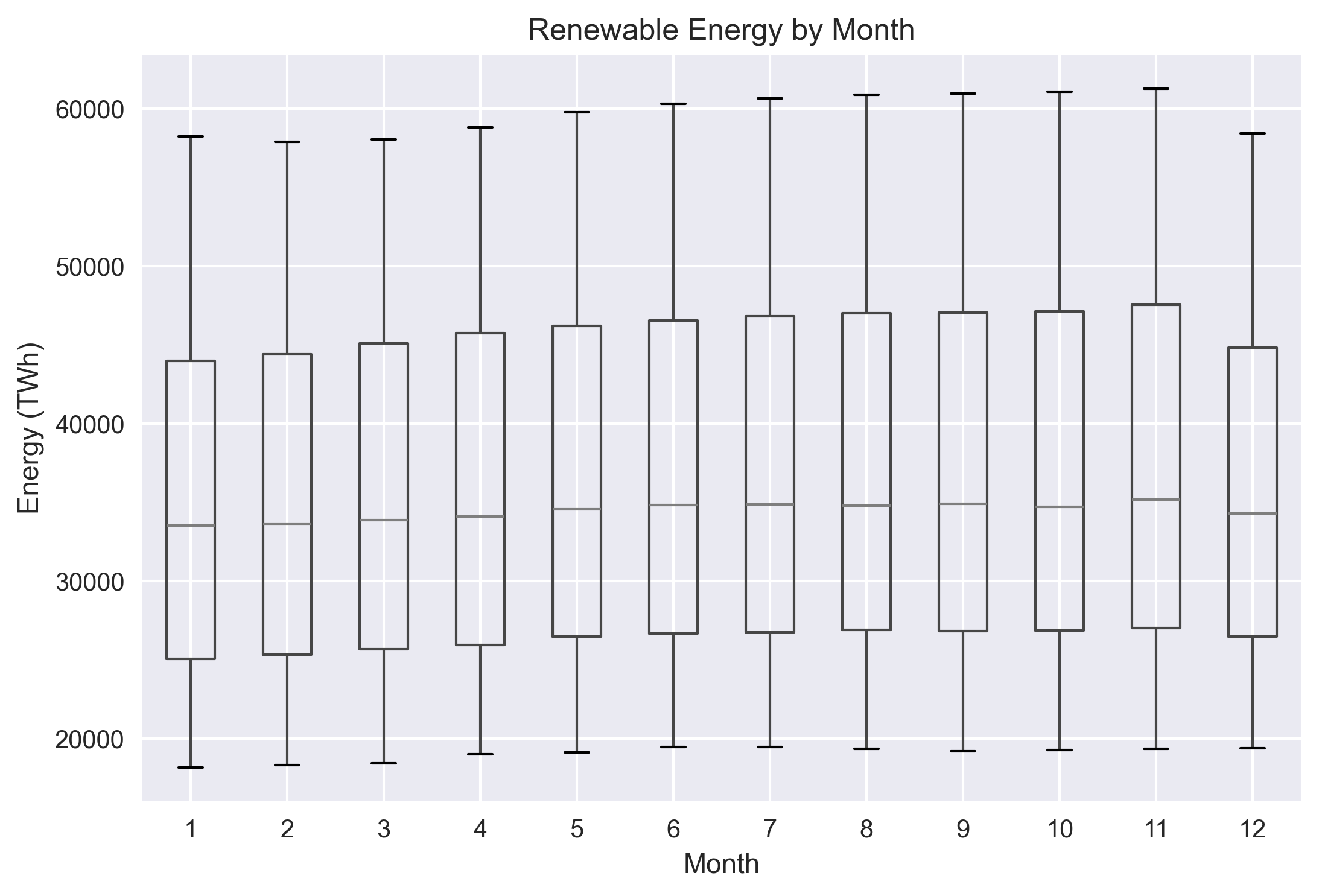
The analysis revealed strong seasonal patterns with higher renewable energy production during summer months.
Visualizations
The following visualizations were generated during the analysis:
Conclusions and Recommendations
Based on the analysis, renewable energy adoption is expected to continue its strong growth trajectory through 2030. Key recommendations include:
- Continue policy support for renewable energy initiatives
- Invest in grid infrastructure to handle increasing renewable capacity
- Focus on technology improvements to further reduce costs
- Monitor external factors like fossil fuel prices and GDP growth
- Develop storage solutions to address intermittency issues
- Encourage public-private partnerships to accelerate adoption